


Cash-out is the feature I have used badly more than any other in golf betting — and I say that as someone who has also used it well. The wrong uses have a common pattern: I cashed out because I was anxious about Sunday, not because I had new analytical information that changed my probability estimate. The correct uses have a different pattern: something material changed — an injury, a collapse in conditions, a competitor suddenly performing far above expectation — and the rational response to that new information was to adjust my position. The cash-out button is not inherently good or bad. It is a decision mechanism, and like all decision mechanisms, its quality depends entirely on the reasoning behind each use.
How Cash-Out Mathematics Work
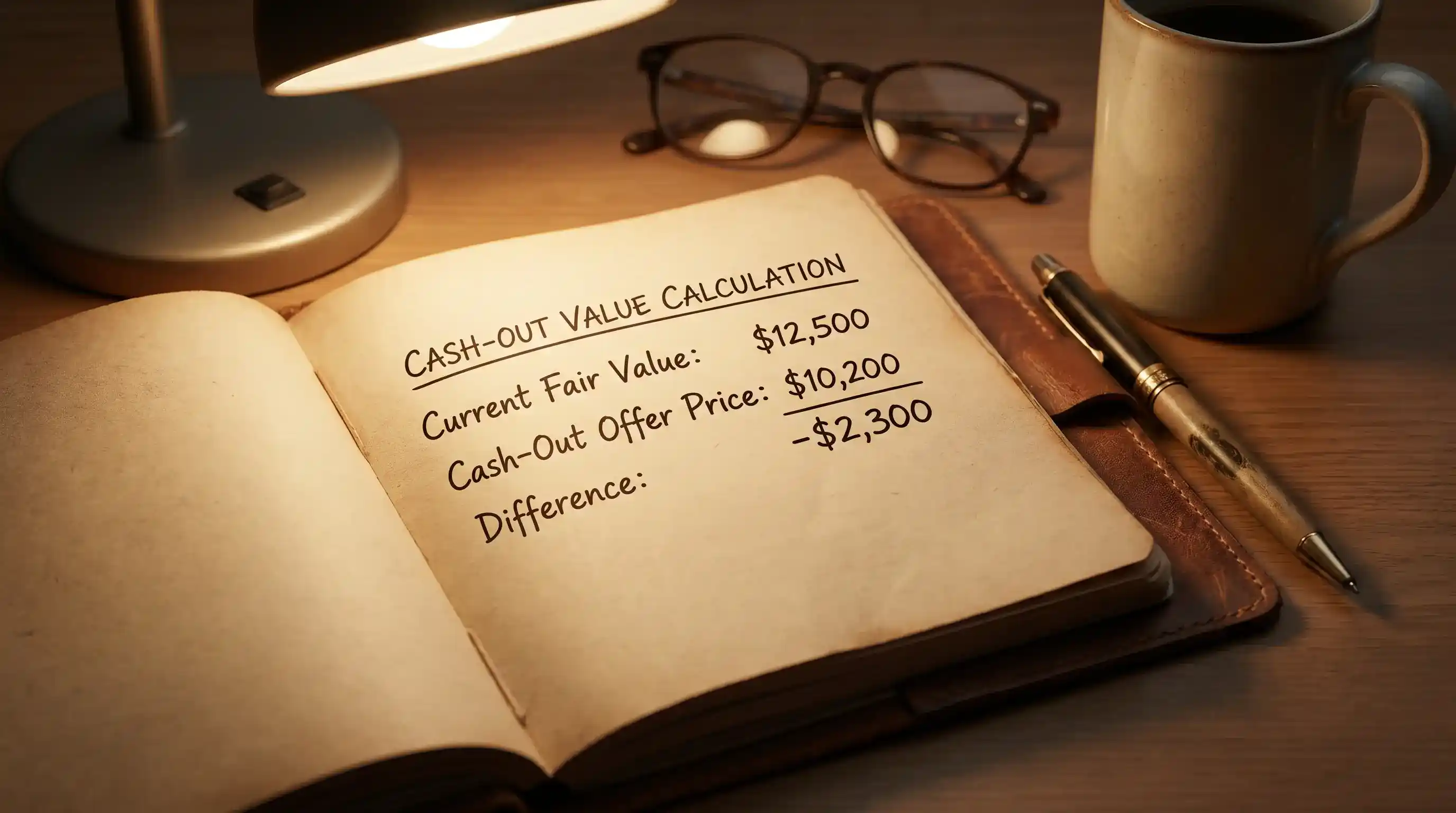
Every cash-out offer from a UK bookmaker is calculated below the fair value of your position. The mechanics are straightforward: the bookmaker calculates the current implied probability of your bet winning, converts that to a fair cash-out value, and then offers you a percentage of that fair value — typically 85-95%, depending on the operator. The margin they retain is not illegal or unreasonable; it is the cost of the service. But understanding that you are always selling your position at a discount is essential for making rational cash-out decisions.
A concrete example: you backed a player each-way at 40/1 before the tournament. On Sunday morning, they are two shots off the lead with 18 holes to play. The bookmaker calculates their win probability at 25% and their place probability at 70%, values your original bet at its current fair value, and offers you 88% of that value as a cash-out. You are being asked to accept a 12% discount on a position that, by the bookmaker’s own probability estimate, is likely to return significantly more if you hold it. The cash-out might feel like locking in a profit, but mathematically it is paying 12% of your fair value to eliminate the remaining variance.
The DataGolf Expected Wins framework provides a useful check here. A player averaging +3 SG per round wins roughly 55% of the time when they hit that performance level. If your player is leading a Major on Saturday evening and the cash-out offer reflects a 40% win probability, your Expected Wins estimate from their performance data might be 50-55%. In that gap, the case for holding rather than cashing out is clear: the market is undervaluing your position relative to the performance data.
When Cash-Out Actually Makes Sense
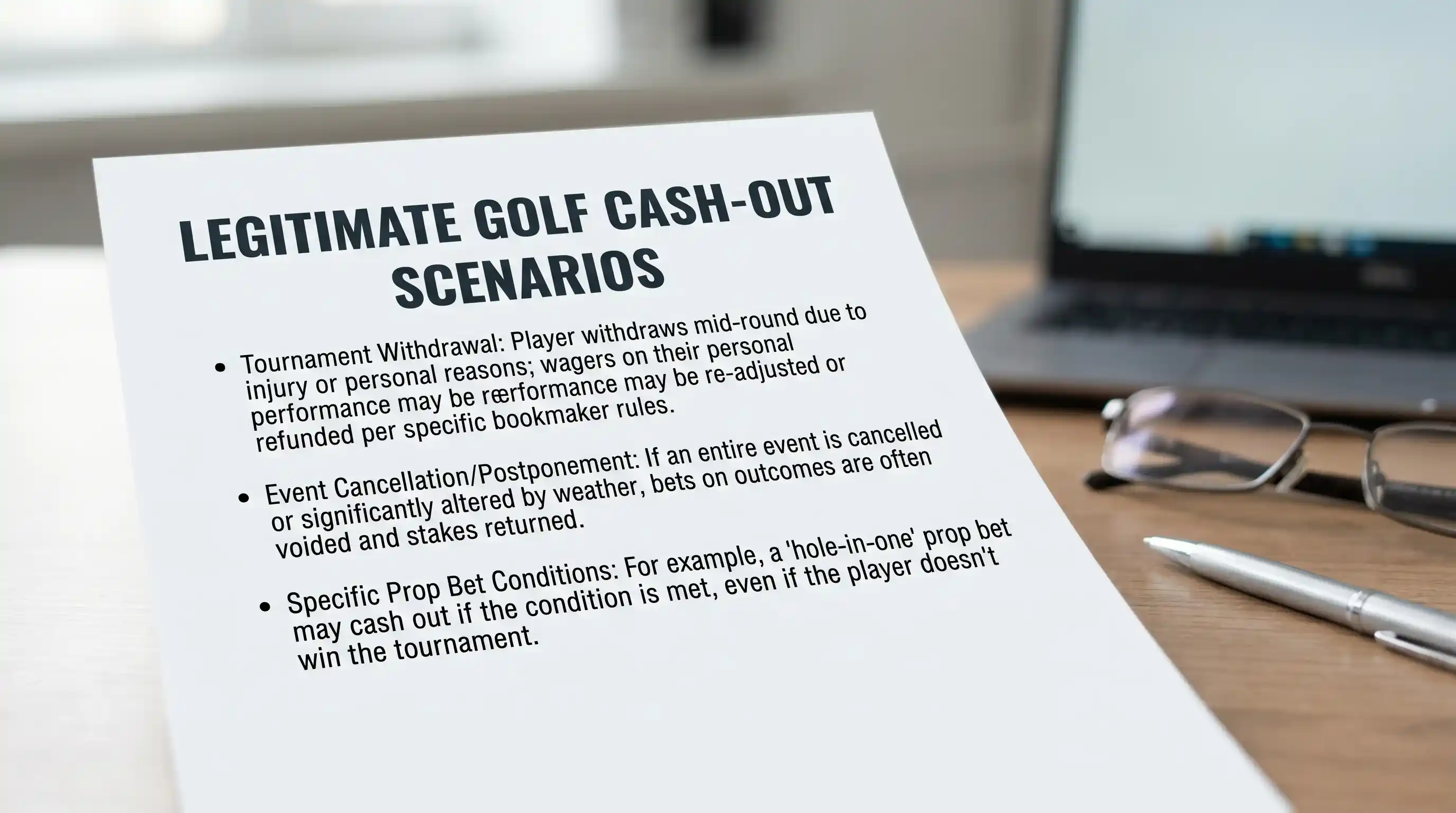
The scenarios where taking a cash-out produces genuinely rational results fall into three categories. First, material new information: your player has visibly injured themselves during the round, withdrawn from a group injury or pulled up lame on a par-3, or is clearly struggling with a physical issue that the market has not yet fully priced. In these cases, the cash-out offer may be above the true fair value of your position given information the market has not yet absorbed.
Second, dramatic course condition change: if a weather system moves in during the final round that specifically disadvantages the ball-striking style of your player — strong crosswinds for a player who fades the ball, or heavy rain that softens a course that was firm and favourable for their ground game approach — and the bookmaker has not yet adjusted odds to reflect this, you may be cashing out at a price that overstates your remaining probability.
Third, and most practically common: portfolio management across multiple simultaneous live positions. If you have four live bets in the same tournament and two of them have moved significantly in your favour, taking partial cash-outs on the two winning positions while leaving the others to run can lock in a guaranteed floor on the session without sacrificing all upside. This is position management rather than anxiety management — and the distinction is important.
Partial Cash-Out and When It Works
Partial cash-out allows you to take a portion of the cash-out value while leaving the remainder of the bet live. The mathematics are the same as full cash-out — you are selling a fraction of your position at the bookmaker’s discounted fair value — but the outcome is a hedged position that guarantees a partial return regardless of the final result while retaining some upside.
The optimal partial cash-out scenario is when your player has genuinely exceeded your pre-tournament probability estimate and you want to guarantee a return on the session while leaving exposure for a large win. For example: you backed at 40/1 and your player is now 7/4 to win on Sunday. Your original expected return was modest; the actual position value has grown substantially. Taking 60% cash-out locks in a meaningful guaranteed profit while the remaining 40% continues to ride on the win probability. If the player wins, the final return is still very large; if they lose, you still have the locked-in partial return.
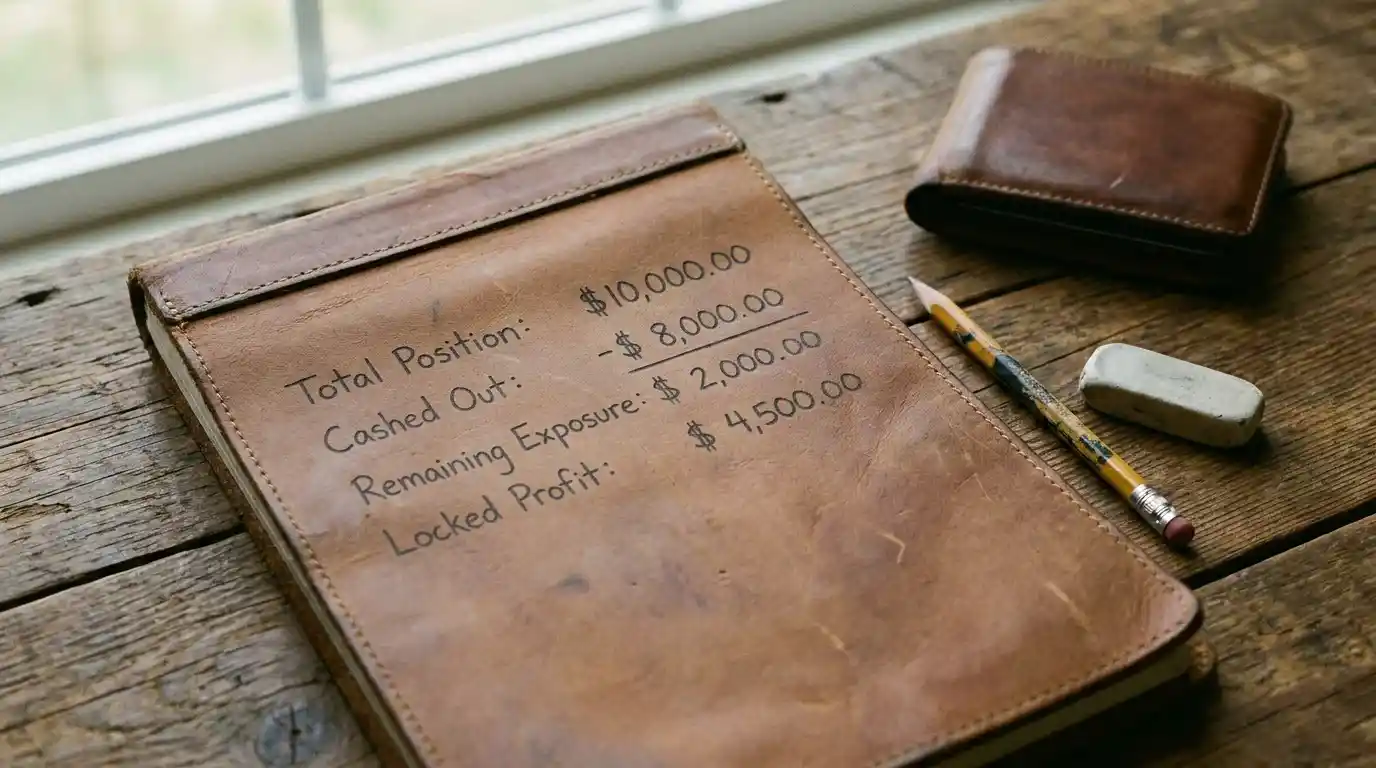
The discipline is size: partial cash-out should be calibrated to the specific risk management goal rather than a round-number default. Taking 50% cash-out because “50/50 sounds fair” is as irrational as taking 100% cash-out because “I don’t want to be anxious.” Decide what guaranteed floor you need for the session and reverse-engineer the partial cash-out percentage from that number rather than defaulting to a round figure.
Recording Cash-Out Decisions in Your Betting Log
Every cash-out decision should be recorded in your betting log with the specific reason for cashing out. Over time, this record reveals whether your cash-out decisions are improving or degrading your overall ROI. If you consistently cash out winning positions at 88% of fair value and those positions would have returned their full value 70% of the time if held, you are paying 12% to eliminate 30% variance — a costly habit. If you consistently cash out at moments where genuine new negative information changed your probability estimate and those positions subsequently lost, your cash-out timing is adding value.
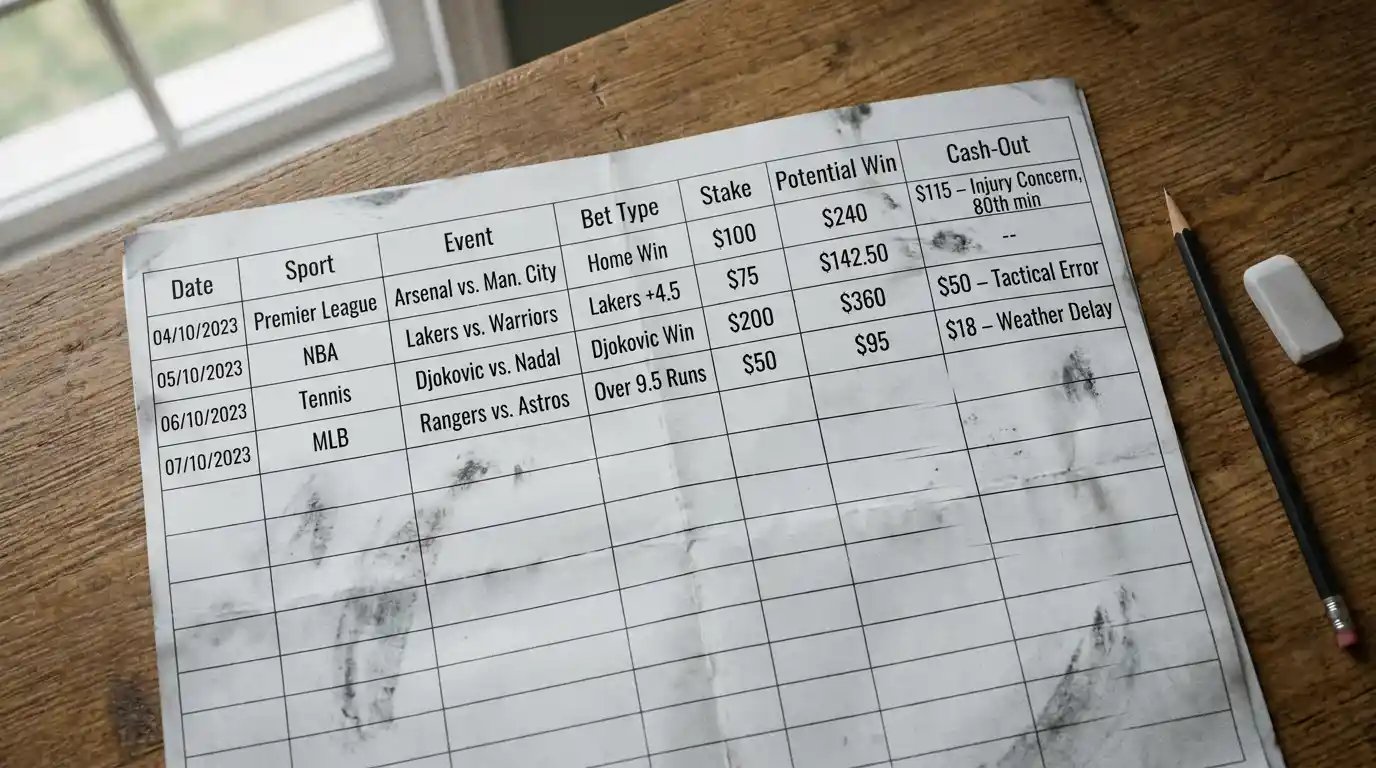
The record should include: the cash-out value taken, the estimated fair value at the time (derived from the live odds), the reason for the decision, and the eventual settlement result if held. Comparing the cash-out value taken to the eventual result across 20 or 30 cash-out decisions tells you whether you are timing the decision well or whether anxiety rather than analysis is driving it. This kind of evidence-based review of cash-out behaviour is rare among recreational punters — which is precisely why it is worth doing if you are operating a systematic betting approach.
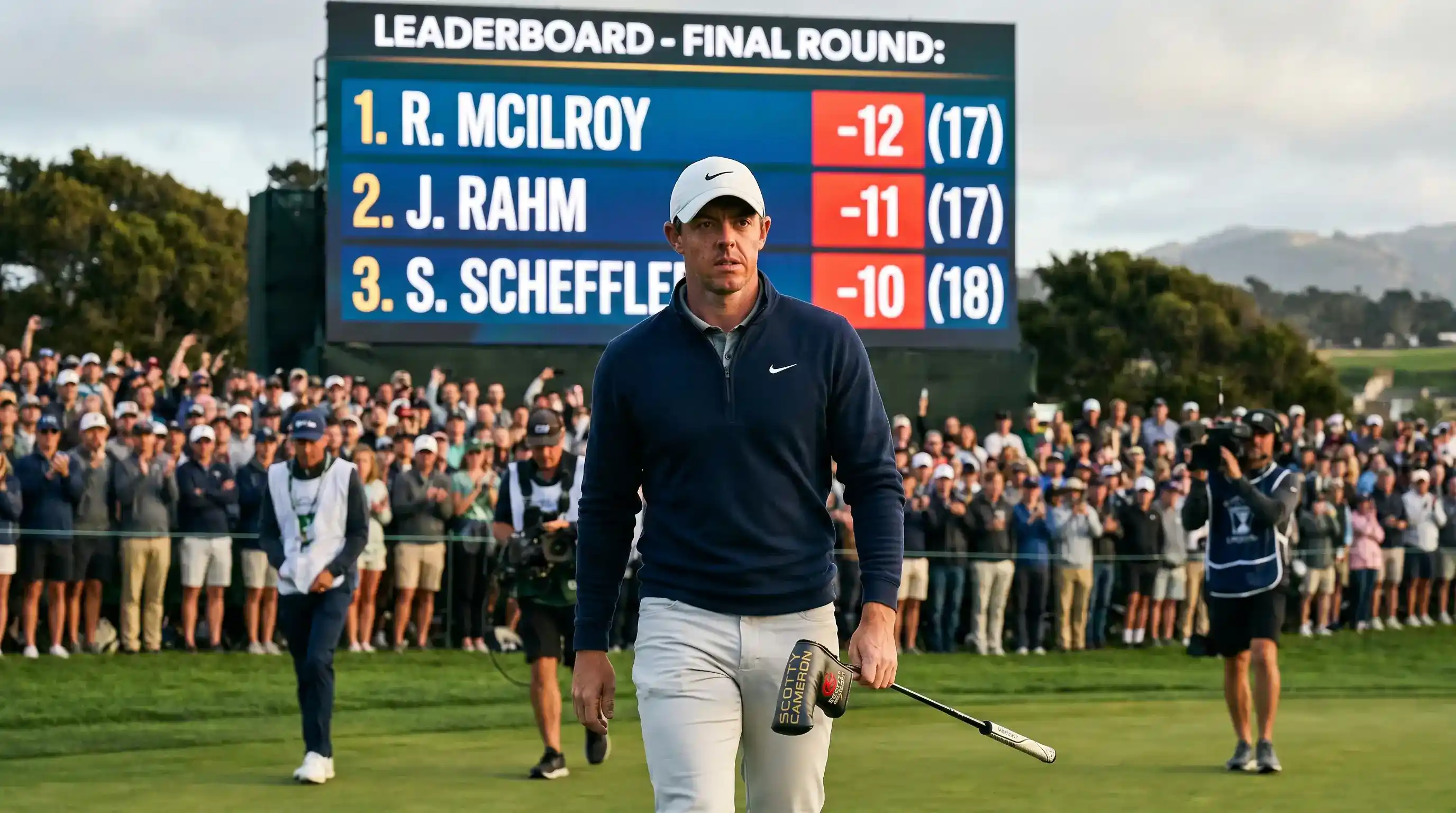
For the broader in-play betting framework that cash-out strategy operates within, including how to identify live entry points and manage live positions analytically, the in-play golf betting guide covers the full live betting workflow from pre-round preparation through Sunday settlement.
Does cashing out a golf bet affect my account"s trading profile with the bookmaker?
From an operator risk management perspective, systematic cash-out use on winning positions does not typically create the same account limitation risk as consistent winning on sharp pre-event markets. Operators track net P&L on accounts and the predictive accuracy of selections, not specifically whether cash-out was used. However, if you are consistently taking cash-out at prices that suggest you have faster access to information than the bookmaker — for example, cashing out immediately before a withdrawal is announced — operators may flag this as a potential information advantage issue.
What is partial cash-out and when does it make mathematical sense in golf?
Partial cash-out allows you to sell a percentage of your bet position at the current cash-out value while leaving the remainder live. It makes mathematical sense when you want to guarantee a defined floor return on a position that has moved significantly in your favour, while retaining exposure to a large upside if the player wins. The optimal partial percentage depends on your specific risk management goal — it should be calculated based on the guaranteed return you need from the session, not chosen as a round-number default. The discount applied by the bookmaker applies equally to the partial cash-out portion as to a full cash-out.
This material was created by SwingEdge team.
