

There is a version of betting commentary that treats market statistics as background furniture — numbers dropped in to seem credible before getting to the “real” content. I want to use this article differently. The UK gambling market statistics I am going to cover have direct implications for how you should think about the ecology of golf betting: who is in the market, what the bookmakers are optimising for, and where the structural edges for a systematic punter are most likely to persist. The numbers are not decoration; they are the operating environment.
The Size and Growth of the UK Gambling Market
The UK gambling industry reached its highest-ever Gross Gambling Yield of £15.6 billion in 2025, according to the Gambling Commission’s own published data. That headline figure represents a market that has grown steadily from the post-lockdown recovery, with the remote sector — online betting and casino — driving the majority of growth. The GGY of the remote casino, betting, and bingo sector specifically reached £7.8 billion for the April 2024 to March 2025 year, a 13.1% increase on the prior period.
The UK online sports betting market — which is where golf betting sits — generated revenues approaching $5 billion in 2025, with a projected compound annual growth rate of around 4% through 2029. These are not abstract industry figures; they represent the total pool of money flowing through the UK bookmaking ecosystem, which in turn determines the volume and efficiency of specific sports markets like golf. Larger markets attract more sophisticated pricing; smaller markets within the ecosystem, like niche golf events or alternative golf markets, retain proportionally more inefficiency.
The non-remote betting shop sector, by contrast, has been shrinking steadily. The UK had around 5,789 betting shops as of Q1 2025-26 — a figure that has declined consistently over the past decade as the market migrates online. For golf punters, this is largely irrelevant since golf betting has always been primarily an online product, but it confirms the structural shift toward the digital platforms where most serious golf betting takes place.
Sports Betting Participation in the UK
The Gambling Survey for Great Britain provides the most reliable participation data available. Approximately 49% of UK adults had participated in some form of gambling in the four weeks before survey periods throughout 2023 and 2024. Sports betting specifically sits at around 9% of adults for any four-week window — roughly 22.5 million consumers in the UK gambling ecosystem, of whom around 10% participate in online sports betting.
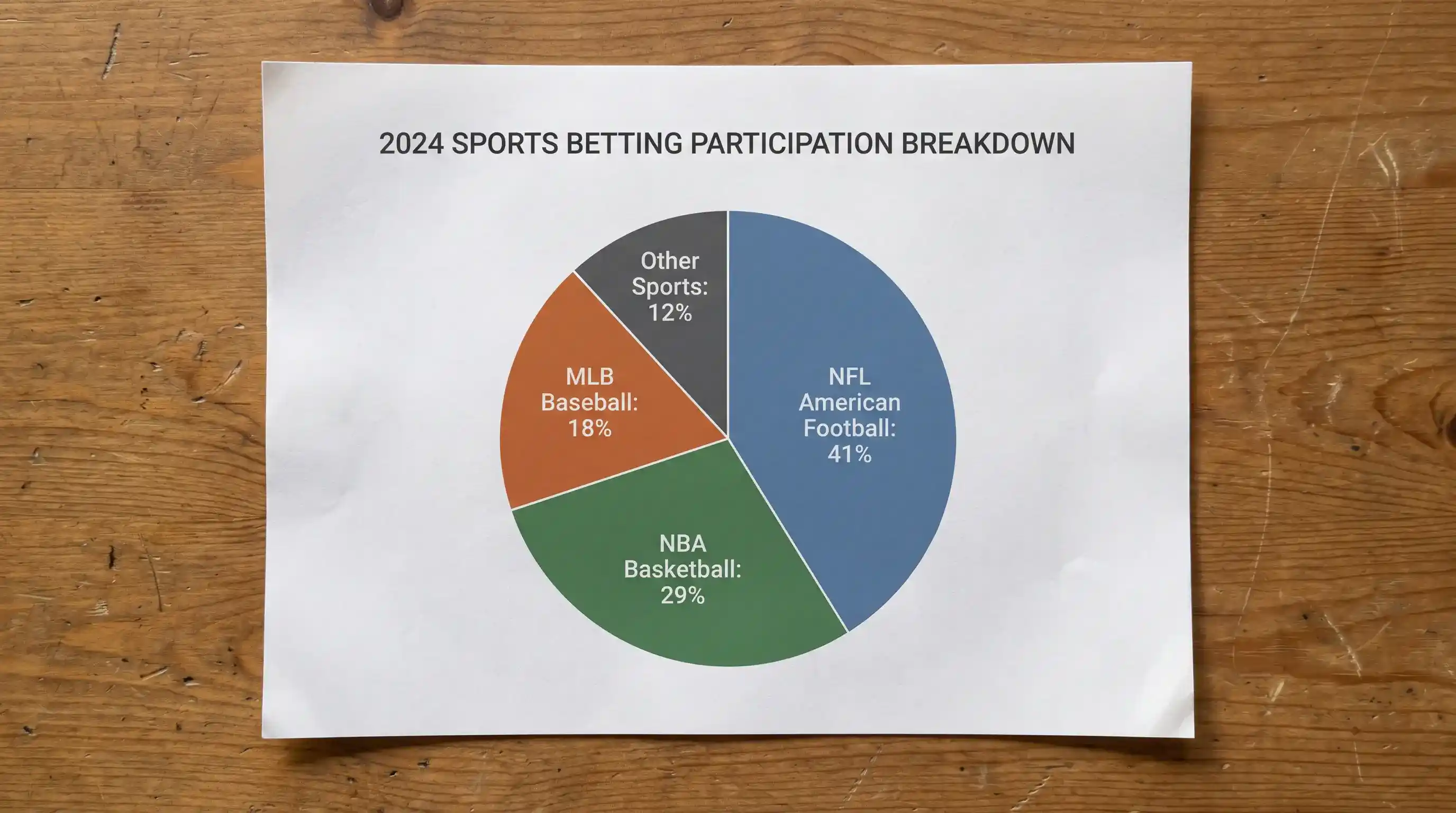
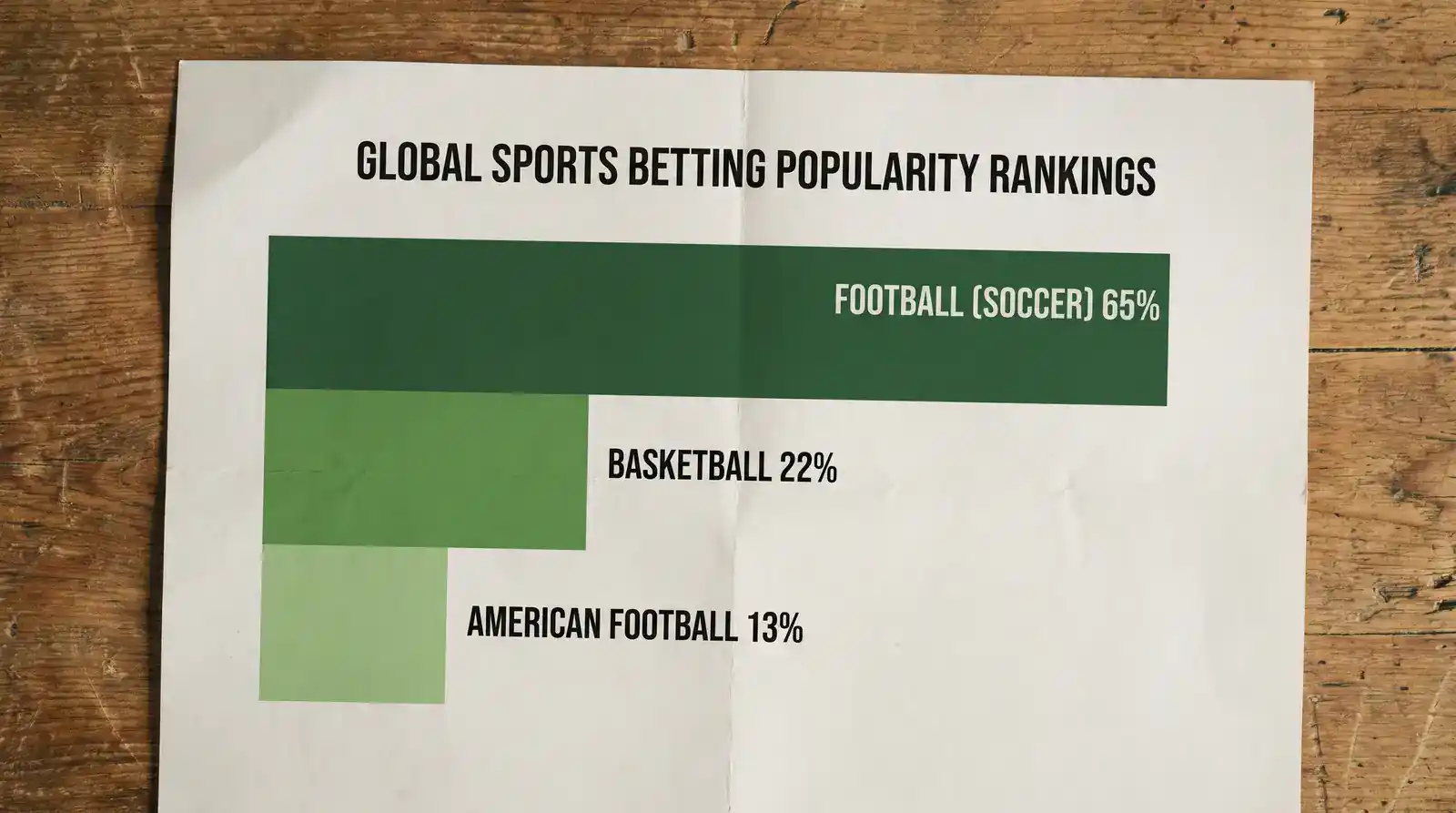
The gender split in sports betting is stark: around 15% of UK men engage in sports betting versus approximately 4% of women, as of Q1 2025 data. Football remains by far the most bet-on sport at 6% of all UK adults — golf occupies a distinct niche further down the hierarchy but holds a position as one of the top three UK sports for betting volume after football and horse racing. That is a significant market position for a sport with a fraction of football’s participatory base.
The demographic concentration also matters: younger adults (18-24) have the highest gambling participation rates in terms of engagement frequency, but also the highest Problem Gambling Severity Index scores — 21.9% of adults in that age bracket scored above zero on the PGSI in the most recent annual data. This is relevant context for understanding the regulatory direction of the market (toward protecting younger bettors) and the commercial priorities of UK bookmakers.
Golf Betting in Context
Golf’s third-place position among UK sports for betting volume reflects a demographic and cultural reality: golf punters skew older, more affluent, and more analytically engaged than average sports bettors. The typical golf bettor knows the sport well before they place a bet — they understand scoring, the significance of course types, the difference between a 5-iron from 180 yards on a links versus a parkland, and the psychological demands of Sunday contention. That knowledge base is why the golf betting market rewards systematic analysis more than many other sports: the population of casual, uninformed money is proportionally lower.
The UK online sports betting user base is projected to reach around 15.3 million users by 2029, with average revenue per user approaching $340. That ARPU figure represents meaningful per-head spending, and it drives the commercial calculation for bookmakers: maximising the margin on outright markets while offering enough extended each-way terms and boosts to keep the most engaged punters active. Understanding this commercial calculus helps explain why the each-way market has expanded so dramatically in recent years — it is the product feature that keeps systematic golf punters engaged, because it directly increases the potential return on the style of selection they are most likely to make.
What the Market Numbers Mean for Systematic Punters
The headline growth figures for UK online sports betting — a $5 billion market in 2025 growing toward $6 billion by 2029 — tell you something specific about the competitive environment you are operating in. More money in the market does not mean more edge for individual punters; if anything, more money means sharper pricing on high-profile markets as the volume of sophisticated analysis increases. The edge for a systematic punter does not come from having more money than other punters; it comes from having better analytical frameworks than the marginal money pricing the market.

The 2.5% PGSI problem gambling rate in the UK is also relevant context for understanding the regulatory trajectory. Gambling Commission enforcement has accelerated significantly — removing over 64,000 illegal sites in 2024-25, a tenfold increase year-on-year. As the regulator tightens the market, the licensed operators who remain are those with the strongest compliance posture. For a systematic bettor, this is broadly positive: operating on licensed, regulated platforms provides genuine consumer protections that unlicensed alternatives cannot offer.

For the regulatory context that shapes how UK bookmakers operate the markets you are betting into, the UK gambling regulation 2026 guide covers the statutory changes that took effect from 2025 onwards and their direct implications for golf betting accounts and marketing.
Where can I find official UK gambling participation statistics by sport?
The Gambling Commission publishes the Gambling Survey for Great Britain annually, which is the authoritative source for UK gambling participation data including sport-by-sport breakdowns. The most recent edition covers the 2024 calendar year. The Gambling Commission also publishes quarterly industry statistics reports covering Gross Gambling Yield by sector. Both documents are freely accessible on the Gambling Commission website. Third-party market research firms such as Statista and Grand View Research publish commercial market forecasts, but these are supplementary to the regulatory primary source.
How is golf ranked as a betting sport compared to horse racing and football?
Football is the most bet-on sport in the UK with around 6% of all adults placing football bets in any given four-week window. Horse racing has historically been second, with deep cultural roots in UK betting particularly through betting shop heritage. Golf holds a position as third or fourth most bet-on sport, with participation concentrated among older male bettors who know the game well. The golf betting market has grown as SG analytics and extended each-way terms have made the sport more accessible for systematic punters.
This material was created by SwingEdge team.
