


Every second article in UK sports betting media in 2025 mentioned AI. AI-powered picks. AI-driven analytics. AI betting models. The reality of what most of these products actually do is far less impressive than the branding implies — and for golf betting specifically, where the genuine analytical tools are already excellent (DataGolf, PGA Tour SG data, real-time scoring feeds), the AI marketing is often a layer of buzzword over standard statistical modelling that has been available for years. This is not to say AI has no role in golf betting analytics. It does. But identifying exactly where AI adds genuine incremental value versus where it is selling access to regression analysis under a more exciting name requires a sceptical eye.
Real Use Cases for AI and Data in Golf Betting
The legitimate application of machine learning in golf betting analytics falls into a few specific categories. Natural language processing of injury and withdrawal reports — where an AI model can parse the volume of player media output faster than any human analyst and flag relevant health or motivation signals — is a genuinely useful application. Automated data pipeline construction, which pulls SG metrics, weather forecasts, course condition reports, and entry lists into a single structured dataset without manual assembly, is another area where algorithmic automation adds genuine efficiency.
The live betting environment has been transformed by real-time data feed integration. The betting revolution that began seriously in 2024 involved platforms that update odds not just on score but on shot-level data: approach proximity, distance remaining, spin rate, trajectory flags. These real-time feeds are processed algorithmically — no human is updating 156 players’ live odds manually on a shot-by-shot basis. The algorithm is doing it, and doing it faster and more accurately than any manual system could. For in-play punters, this means the market moves more efficiently than it did five years ago, but it also means the residual inefficiencies that exist are more data-rich and more specific when you find them.

The UK online sports betting market, projected toward $5.69 billion by 2029, is a commercial environment where operators are investing heavily in predictive analytics infrastructure. But their investment is in pricing accuracy — in reducing the edge available to sharp punters — not in providing tools for punters to use. The commercial AI in the UK betting market is the operator’s opponent; the analytical tools that help punters are separate, typically run by independent analytics companies like DataGolf.
Real-Time Data Feeds and Their Value
The specific real-time data that creates in-play value for a prepared punter includes: hole-by-hole scoring updated in near-real-time, approach shot proximity data (how close to the flag the approach ended), putting statistics within a round (number of putts, green proximity at approach, conversion rate on birdie opportunities), and weather station data for the tournament venue. All of these are available through a combination of the PGA Tour’s live scoring system, specialist golf data providers, and weather APIs.
What the best in-play analytics platforms do is aggregate these feeds and present them in a format that makes rapid comparison possible — allowing a punter to check, in 30 seconds, whether a player heading into the final nine holes is in a birdie-friendly stretch of the course given their current approach-play data, and whether the live odds reflect that situation accurately. That aggregation and presentation is where data platform value lies, and it is genuinely useful. The “AI” component — the neural network that predicts round outcomes from partial data — is less reliable than the basic SG comparison, because the training data for partial-round golf prediction is thin and the variance in outcomes is very high.

The Limitations of AI in Golf Betting Prediction
Machine learning models that predict golf tournament outcomes have a fundamental challenge: the signal-to-noise ratio in golf performance is very low. A player averaging +3 SG per round wins roughly 55% of the time at that performance level in a full-field PGA Tour event — but the remaining 45% of the time they do not win, and those non-wins are spread unpredictably across the field. The same variance that makes golf an exciting sport to watch makes it deeply resistant to accurate prediction beyond what the underlying performance data already captures.
No AI model has demonstrated sustained predictive improvement over a well-calibrated SG-based approach in published validation work. The claims made by commercial AI betting tools are typically based on back-testing — showing that the model would have made profit on historical data. Back-tested results are the least reliable evidence in any predictive domain, because they are subject to overfitting: a model that is calibrated on historical outcomes will perform well on those outcomes but degrades when applied to new data. A claim of 20% ROI on back-tested results is essentially meaningless without equivalent forward-tested results over a significant live sample.
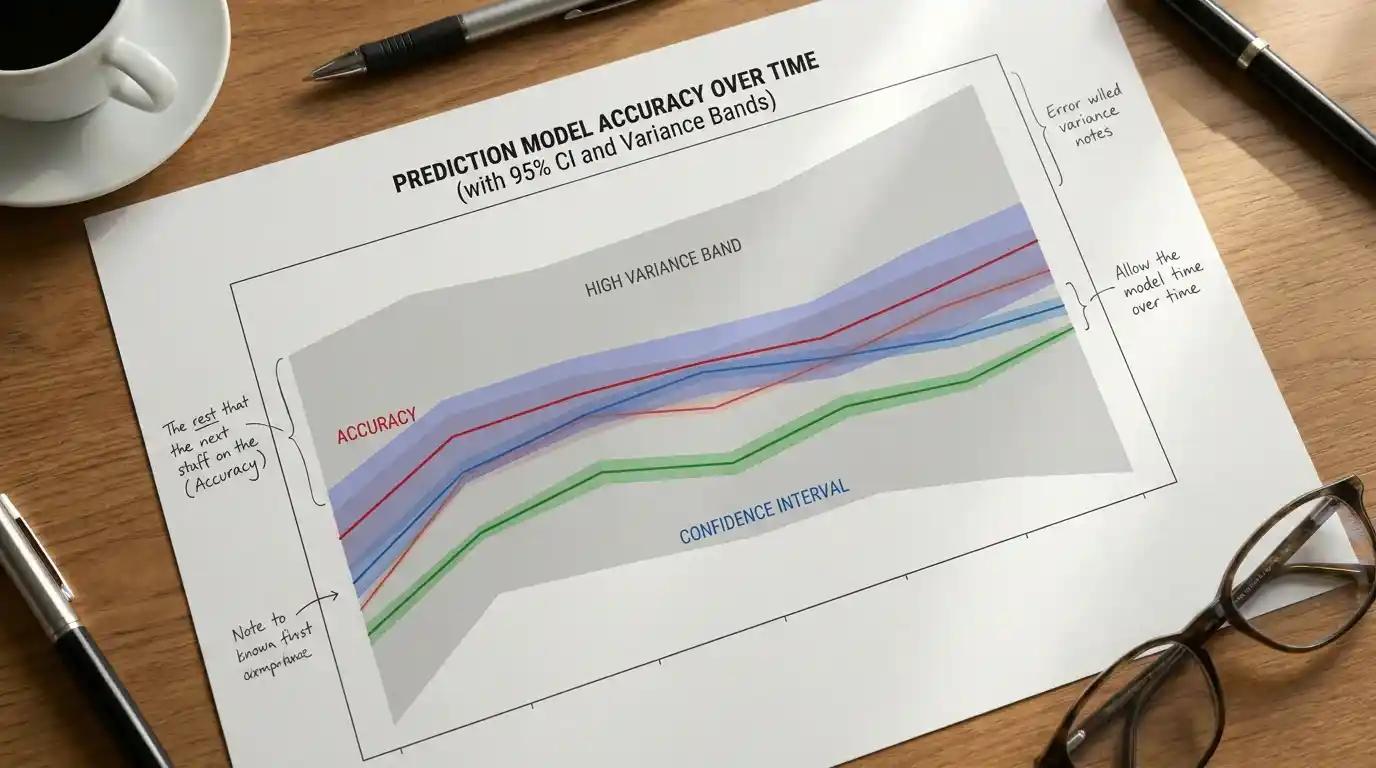
The most honest version of AI in golf betting analytics is augmentation of existing SG models with additional data sources — weather, course setup, scheduling, player injury data — that the base SG model does not capture. This is genuine incremental improvement, but it requires transparency about what the model is and is not doing, which is rarely present in commercial AI betting product marketing.
How to Evaluate AI Golf Betting Claims
When evaluating any AI golf betting product, the questions that matter are: what is the underlying data source (SG data? raw scoring? social media sentiment?), what is the specific prediction being made (tournament winner? top-10? cut?), what is the validation methodology (back-tested or forward-tested?), and what is the sample size and time period of the validation? Products that cannot answer all four questions transparently are not serious analytical tools.

Forward-tested results — where predictions are made in real time and settled against actual results — are the only meaningful validation for a golf betting model. A back-tested model that shows 20% ROI over three years of historical data may simply have been overfit to that specific period. A forward-tested model that shows 8% ROI over 200 live predictions is weaker-sounding but far more credible. The honest operators in the data analytics space publish forward-tested records and do not hide behind historical simulations.
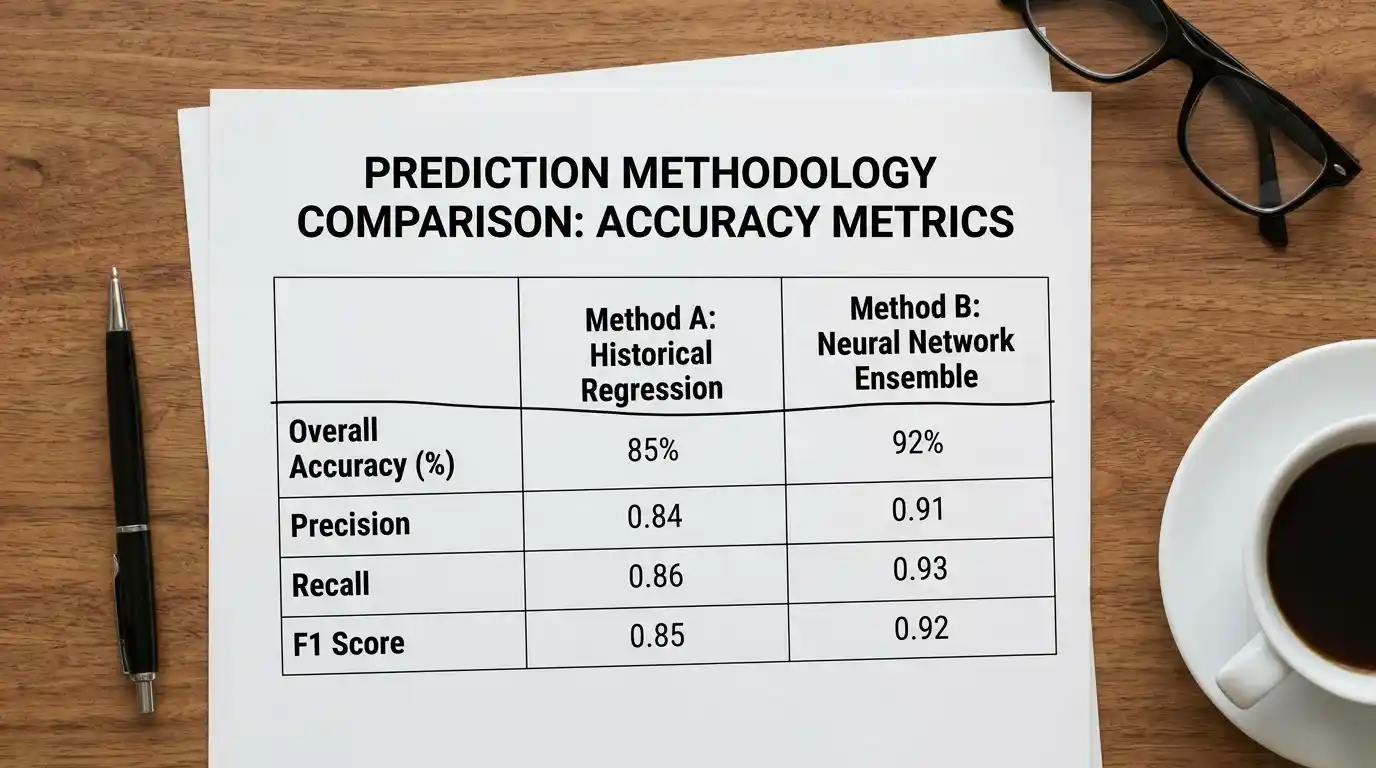
For the foundational analytical tools that provide genuine, verifiable edge in golf betting without the AI veneer, the DataGolf guide for UK punters covers the specific tools and metrics that have demonstrable predictive value and how to use them in a systematic betting process.
Are there any free AI-powered golf betting tools available for UK punters?
Several platforms offer free tiers with elements of predictive analytics for golf betting, though "AI-powered" in most cases means standard statistical modelling applied to SG and performance data rather than anything novel. DataGolf"s free tier provides pre-tournament rankings and Expected Wins calculations based on SG data, which is the most practically useful predictive metric available. PGA Tour statistics portal provides free access to all official SG data. True machine-learning approaches to golf prediction are primarily found in paid commercial tools, and their incremental value over the free DataGolf and PGA Tour data has not been independently validated.
Can machine learning models predict golf outcomes better than SG-based approaches?
The published evidence does not support the claim that machine learning models systematically outperform well-calibrated SG-based approaches for golf tournament outcome prediction. The primary limitation is data quality: golf"s variance means that even the best performers win less than 15% of the time over a season, providing a small signal against which to train a model. The most useful ML applications in golf analytics are in data aggregation, real-time odds processing, and pattern recognition in course-condition data — supporting roles rather than primary prediction. For outright and each-way betting purposes, SG-based models remain the most reliable analytical foundation.
This material was created by SwingEdge team.
