


here is a common assumption among UK golf punters that each-way is always the smarter play. I held that view myself for the first couple of years, treating every outright selection as an automatic each-way bet because the place portion felt like free insurance. Then I ran the numbers across a full season and found something uncomfortable: on shorter-priced players — anyone below roughly 16/1 — I was consistently eroding my own edge by paying for place terms I did not need. Understanding when a straight win bet outperforms each-way is not a minor tweak; it is one of the levers that separates a methodical golf betting system from a habit.
Outright vs Each-Way: The Value Calculation Nobody Does
Most punters treat the each-way/win decision as a binary instinct. Fancy a longshot? Go each-way. Back a favourite? Win only. That instinct is not wrong, but it is incomplete. The correct framing is: does the place portion of an each-way bet carry positive expected value at the terms on offer?
Here is how the maths works in practice. Say a player is priced at 12/1 (13.00 decimal) with five-place, quarter-odds each-way terms. The win bet returns 13x your stake. The each-way bet costs you two units — one on the win, one on the place — and the place portion pays out at 12/1 divided by four, which is 3/1 (4.00 decimal). For the each-way to outperform two separate win bets at shorter odds, the implied place probability must be lower than the bookmaker is paying. If the market is pricing a 12/1 chance at roughly 7.7% win probability, the true place probability for a five-place field depends heavily on field size and course variance. In full-field PGA Tour events with 156 starters, that same player finishing inside the top five is meaningfully more likely than 25% — which is what a naive quarter-odds model implies. The each-way pays you less than the fair price for the place.

The crossover point shifts depending on field size, place terms, and the odds themselves. My rule of thumb: below 20/1 in a standard five-place market, model the expected place probability before committing. Above 20/1, the each-way is almost always correct unless the field is unusually thin.
How Field Size Changes the Equation
Field size is the variable that most punters ignore entirely in outright vs each-way decisions. A 78-player Rolex Series event with five-place terms is a fundamentally different bet to a 156-player PGA Tour event with the same terms. In the smaller field, the chance of any individual player landing inside the top five is roughly twice as high — which means the bookmaker’s place odds are proportionally cheaper value.
Expected Wins data from DataGolf illustrates this neatly. A player averaging +3 strokes gained per round across all participants in a full-field PGA Tour event will win that event around 55% of the time when they hit that performance level — but the distribution of outcomes in a 78-player co-sanctioned event is completely different. The stronger your assessment of a player’s current form relative to a specific field, the more the straight win bet concentrates your edge where it actually exists. Spreading it across win and place dilutes your conviction.
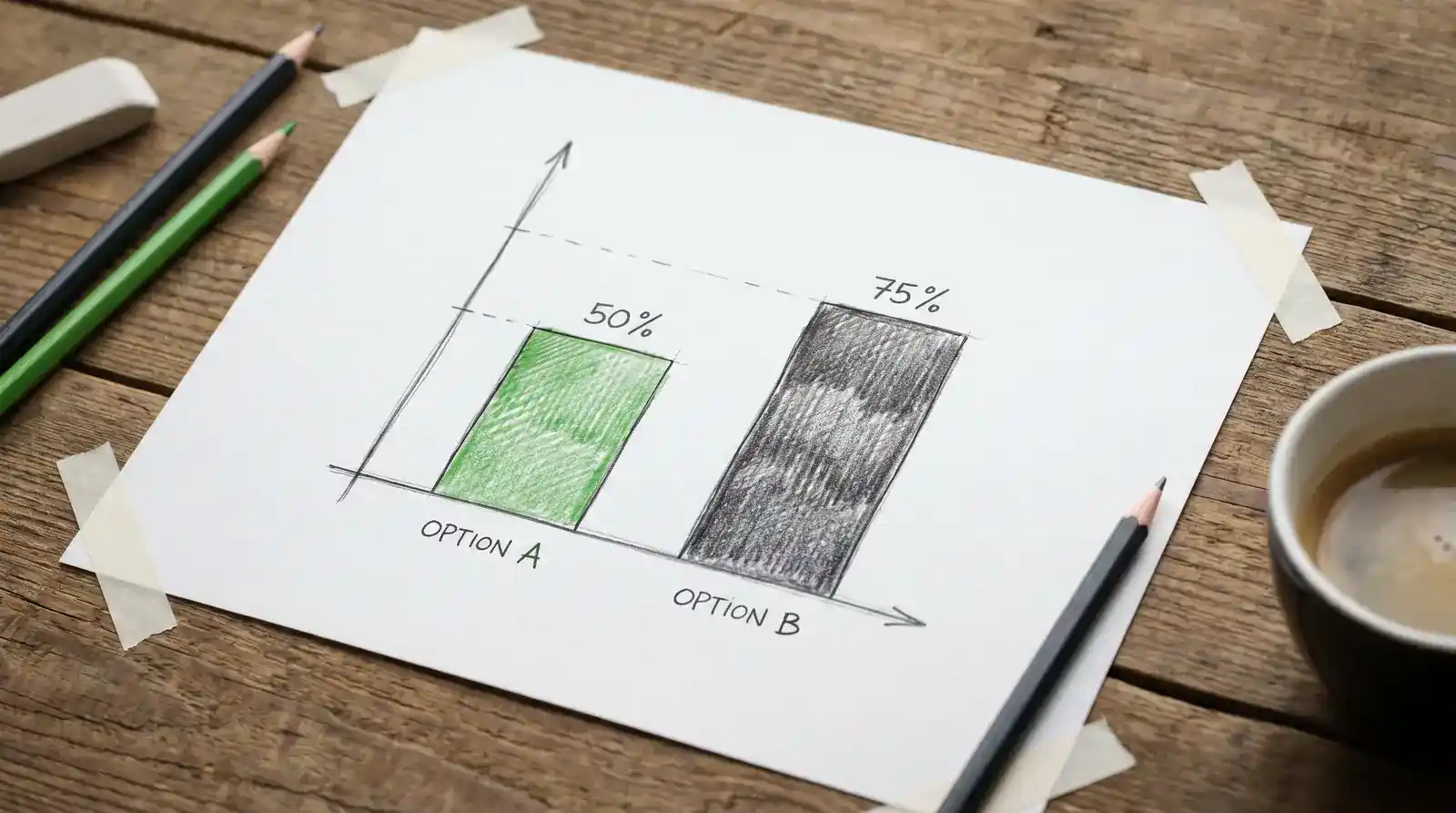
The practical upshot: when I have a player I genuinely think can win — not just place — I run the field size against the place terms. If the implied place probability from the bookmaker is lower than my estimate of the player’s real chance of finishing in the places, the each-way has value. If not, the win bet keeps my stake concentrated on the outcome I actually believe in.
Ante-Post Timing and the Outright Market
Outright betting in golf is mostly done pre-tournament, but the timing within that window matters more than most punters appreciate. The sharpest outright prices are often available in the three to five days before a tournament when markets open but before draw and tee times are announced. Once pairings drop, books adjust — sometimes significantly — based on wave advantages, weather forecasts, and sharp money.
For ante-post outright betting on Majors, the timing calculus shifts further. Prices on Open Championship contenders can be taken weeks in advance, and historically five of the last six winners started at 20/1 or longer — meaning the market systematically underestimates the spread of outcomes at links events. Taking a longer price pre-tournament on a legitimate links specialist is one of the cleaner outright edges available, because the market is pricing in recency bias toward recent form rather than course-specific indicators.

My standard process: identify the player and my estimated win probability, compare to the current outright price, decide whether the win bet or each-way provides better expected value given the terms, and act before draw announcement. After draw, adjust only if a compelling wave advantage has opened up — but never chase a price that has already moved against you.
When the Outright Makes More Sense Than Each-Way
There are three specific scenarios where I now default to win-only rather than each-way. First, when my player is priced below 16/1 in a standard five-place market — the maths rarely favour the place portion at those odds. Second, when the field is weak and the player I like is the standout ball striker; in weak fields, shorter prices often reflect genuine probability, and the place terms do not compensate for cutting your potential return in half. Third, in 54-hole events where variance is compressed and the spread of outcomes narrows: a genuine form player in a 54-hole event has a higher ceiling on their win probability than in a full 72-hole grind, which concentrates value on the outright rather than the place.

For a systematic approach to place terms across UK bookmakers and how to maximise each-way value on genuine longshots, the deeper framework is covered in the each-way golf betting guide. The outright decision does not exist in isolation — it only makes sense when you have a clear model of what each market is actually paying.
What price range makes a golf outright bet positive EV?
There is no universal price threshold, but outright bets become increasingly attractive as a player"s odds shorten below 20/1 in standard five-place markets. At those odds, the each-way place portion is often overpriced relative to the true probability of a player finishing in the top five. The key calculation is comparing your estimated place probability to what the bookmaker is implying from the place odds — if they match or the bookmaker is paying less than fair value, the straight win keeps your edge concentrated.
Is it better to bet outright before or after draw and tee times are announced?
For most UK punters, the best outright prices are available in the three to five days before a tournament when markets open. Once the draw is released, books adjust for wave conditions and weather, and sharp money has already moved the sharpest lines. The exception is when a specific tee time or wave creates a meaningful advantage not yet reflected in the market — but that requires having done the wave analysis before the draw rather than reacting to it.
This material was created by SwingEdge team.
